The NFL General Manager: A Science Beyond the Curtain (Part 1)
A 4 part series which focuses on the NFL General Manager and their role in building a successful roster for their franchise.
MJ Campbell
2/27/20264 min read
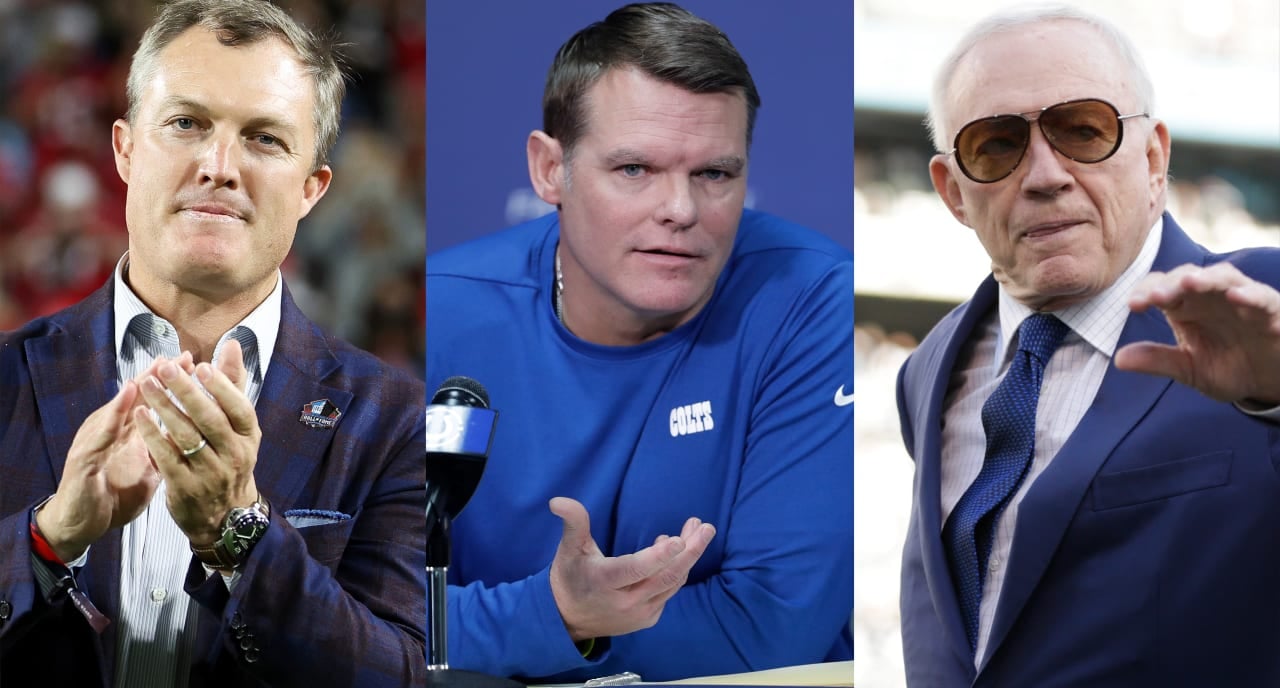

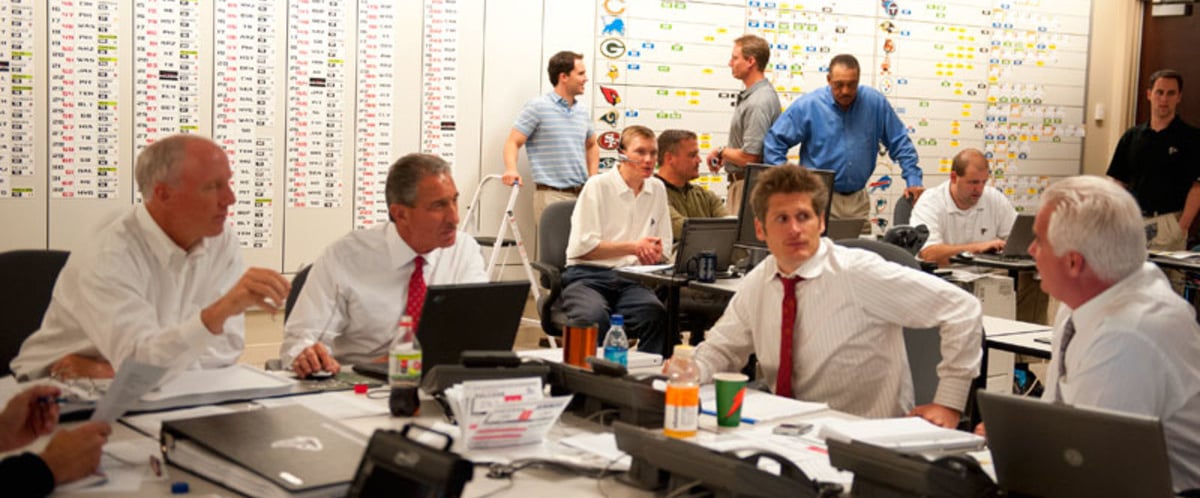
Two Draft Rooms, Two Mindsets: Why NFL GMs Can’t Build the Same Way
The NFL gives every franchise the same basic tools: the draft, free agency, the salary cap, waivers, trades, and coaching. But what separates strong organizations from unstable ones is not access to talent—it’s clarity of purpose.
A General Manager’s job is not just to collect good players. It’s to build the right roster for the team’s current stage. That’s why the same move can be brilliant for one team and damaging for another.
A perennial contender and a rebuilding team may evaluate the same prospect similarly. They may even agree on the player’s talent grade. But they often should not make the same decision.
That difference comes down to GM mentality.
The Job Is Bigger Than “Best Player Available”
Fans often reduce roster building to simple slogans:
“Take the best player available.”
“Draft for need.”
“Win free agency.”
“Get your guy.”
In reality, a GM is solving a much more complex problem:
How does this player fit our competitive window?
How does this move affect our salary cap in 1–3 years?
Does this player align with our coaching staff and scheme?
Will this addition improve the roster without blocking future growth?
What risk am I assuming—medical, projection, usage, character, timeline?
The best GMs operate with a system. The worst ones operate with reactions. General Managers have to rely on their skill set to build the team and treat every situation the same. Emotion or being reactive instead of proactive always means you're going to be playing catch up. The biggest activity which needs to be done every year is a roster analysis. This includes many layers of analytics, financials, player data and roster depth material.
The First Question Every GM Must Answer
Before a team even sets its final board, the front office should be brutally honest about one thing:
What kind of team are we right now?
Not what the owner hopes. Not what the fan base wants. Not what a 9-8 finish might suggest.
What are we, really?
Typical Team States
Perennial contender: playoff expectation, stable coaching, proven QB, expensive core
Ascending team: young roster improving, key pieces emerging, flexible cap
Rebuilder: incomplete core, uncertain QB or early-QB phase, uneven depth, timeline reset
Middle-class team: not bad enough to reset, not strong enough to win January games consistently
Most front-office mistakes begin when a team misidentifies its own state. Proactive General Managers are ahead of the curve in developing and creating a roster. They should be analyzing upcoming free agents, next year free agents, and next year draft classes.
Why the Same Move Means Different Things
Let’s say a high-upside but raw EDGE is available in Round 1.
For a contender: this may be risky if they need immediate playoff rotation snaps.
For a rebuilder: this may be exactly the kind of long-term swing they should take.
Now flip it:
A polished 24-year-old prospect at a lower-value position with a high floor.
For a contender: useful if he fills a specific role and contributes immediately.
For a rebuilder: potentially a mistake if it sacrifices long-term premium upside.
The player didn’t change. The team context did.
The Three Forces Driving GM Mentality
Regardless of team state, every GM decision lives under three pressures:
1) Time
How soon does this move need to pay off?
Contenders often need contribution now or by Year 2.
Rebuilders can afford more developmental runway.
Coaches on hot seats compress timelines and distort decisions.
2) Resources
What are we spending to solve this problem?
Draft picks
Cap dollars
Roster spots
Development reps
A bad signing isn’t just “too much money”—it can also cost snaps from a younger player.
3) Risk
What kind of risk can this team absorb?
A deep contender can absorb one developmental miss.
A thin rebuilding team may need volume to spread risk.
A roster with injury issues should not stack medical gambles in one class.
The Danger of Borrowing the Wrong Mentality
This is one of the biggest hidden problems in the league
When a contender acts like a rebuilder:
hoards developmental players who can’t contribute soon
ignores immediate depth weaknesses
fails to support a playoff-caliber core
Result: window erosion.
When a rebuilder acts like a contender:
signs veterans for optics
trades picks to patch holes
spends to chase 8–9 wins instead of building a foundation
Result: delayed rebuild and cap stress.
What Smart Front Offices Do First
Before draft weekend, the best organizations define:
their competitive phase
2-year roster vulnerabilities
cap replacement priorities
premium position investment plan
acceptable risk thresholds
which positions they refuse to overpay in free agency
final review of overall and positional big boards
medical reviews of any prospects on the list
devise scenarios to be prepared for the unpredictable
This is what turns “talent acquisition” into actual roster building.
Closing Thought
Every GM wants to improve the roster. But improvement is not just adding talent—it’s adding talent in a way that matches the team’s reality.
A contender’s job is to preserve and sharpen a window.
A rebuilder’s job is to create one.
Confuse those two missions, and even good player evaluations can produce bad team outcomes. That goes back to asking the most important question: What kind of team are we?